The episode, like so many stories in American dramatic fiction, rejects "the greater good" as cynical, or inhumane. We're told to reject "the ends justify the means," as if it's morally purer to let bad things happen to other people (you don't know) so long as you don't yourself personally pull the lever on the trolley track to kill (someone you do know). Stories tell us how we're supposed to act. Ours tell us that we shouldn't make the effort to imagine all those other people, we should just focus on the few we know.
So guess what? People grow up and think they are right to refuse to sacrifice themselves or theirs. They've been told they shouldn't have to, and it is monstrous to expect them to. Now we have a society where people won't, for example, vaccinate their kids because, hey, it's their kids, and who cares about "herd immunity"? How dare anyone expect them to consider all those immunocompromised kids they've never met? They should only think about their kids.
(I'm ignoring all the reasons why they should do it for their own kids' sake. We also tell stories where the scientists are wrong and the conspiracy theorists are right and the hero wins by trusting his gut. What do experts know, anyway?)
We watched a Japanese anime movie (was it Your Name?), and when the heroine realized that she would have to die to save her town, it was not presented as a difficult choice. OF COURSE you would sacrifice your life for others. What kind of monster are you? How could you even live with yourself if you didn't?
When the authorities in Fukushima needed help cleaning up the reactor, local old people volunteered, because otherwise young people would have to do it. Americans used to make those choices, too (e.g. the Battle of Midway), but then, they made those choices in their movies (Casablanca). If they made Casablanca today, Rick would go off with Ilsa, and Victor Laszlo would be presented as a callous stiff. Of course she goes off with Rick. He's the hero!
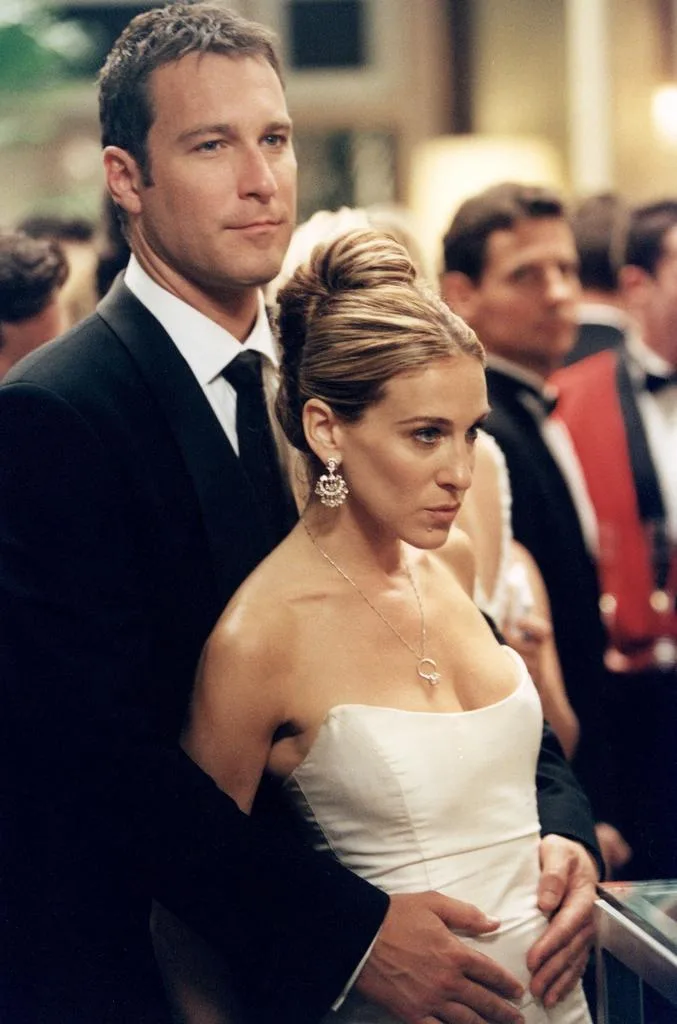
Yes, of course, characters in dramas have to be able to make bad choices. If Carrie had stuck with Aidan, that would have been the end of Sex and The City. My beef is that this kind of choice is (a) not surprising any more and (b) almost always presented as the righteous thing to do.
What if Joel, at the end of The Last of Us, had chosen the greater good? Would that have been an unsatisfying ending? Or an even darker, more dramatic ending? (The answer is left as an exercise.)
Stories have consequences. We should consider them when we make up new stories to tell.
What if Joel, at the end of The Last of Us, had chosen the greater good? Would that have been an unsatisfying ending? Or an even darker, more dramatic ending? (The answer is left as an exercise.)
Stories have consequences. We should consider them when we make up new stories to tell.

No comments:
Post a Comment